Speech analysis is used in many fields today. It helps researchers study language patterns, supports doctors in diagnosing speech disorders, improves voice assistants, and even strengthens security systems through voice recognition. But none of this works well without one important thing: clean voice files. If your audio recordings are full of background noise, echoes, or …
Month: March 2026
Voice cloning is changing how we create content. From YouTube videos and podcasts to audiobooks and business ads, AI-generated voices are now everywhere. But here’s something many people don’t realize: The quality of your cloned voice depends heavily on the audio you provide. If your recording is noisy, unclear, or poorly edited, your AI voice …
Podcasting has exploded in popularity over the past few years. Millions of people listen to podcasts while driving, working out, cooking, or relaxing at home. But here’s the big question: Are you making the most of your podcast content? If you are only publishing audio, you are missing a huge opportunity. When you extract speech …
Clear captions start with clear audio. If your sound is full of noise, echoes, or low volume, your captions will be full of mistakes. Whether you create YouTube videos, online courses, podcasts, interviews, or business webinars, improving audio quality before generating captions can save time, reduce editing work, and increase viewer satisfaction. In this detailed …
Creating subtitles is not just about typing what you hear. It starts long before that — with clean, clear audio. If your audio has background noise, echo, buzzing, or static, your subtitles will likely contain mistakes. Poor sound leads to wrong words, missed phrases, and confused viewers. Whether you create YouTube videos, online courses, podcasts, …
Creating a powerful AI voice model starts with one essential ingredient: clean audio. No matter how advanced your algorithms are, poor-quality recordings will always limit the final results. If your dataset has background noise, echo, clipping, or inconsistent volume, your AI voice system will struggle to sound natural and clear. In this detailed guide, you …

Voice isolation pulls out just the speaker’s words from all the extra sounds around them. It turns messy recordings into clean audio that voice apps, smart speakers, transcription tools, and even video calls can understand perfectly. Whether you’re building your own voice app, editing podcasts, prepping meetings, or just wanting clearer calls, this skill makes …
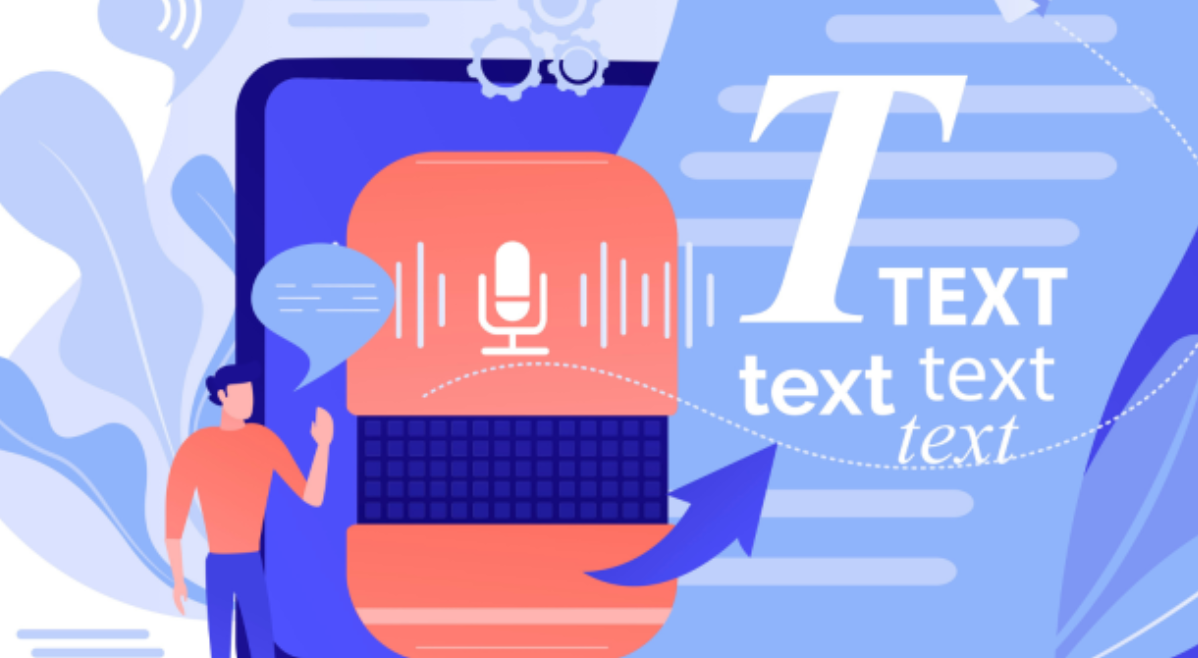
Imagine dictating a quick note to your phone while walking down a busy street. You say, “Remind me to buy milk and eggs,” but the app types out “Remind me to buy milk and legs.” Frustrating, right? That mix-up happens because speech recognition systems struggle with messy sound. The fix is simpler than you think: …

When you record a panel discussion, you capture something valuable — real conversations, expert opinions, and meaningful ideas. But a video or audio file sitting on your hard drive doesn’t do much on its own. To truly use that content, you need to extract dialogue from panel discussion recordings and turn it into something actionable. …
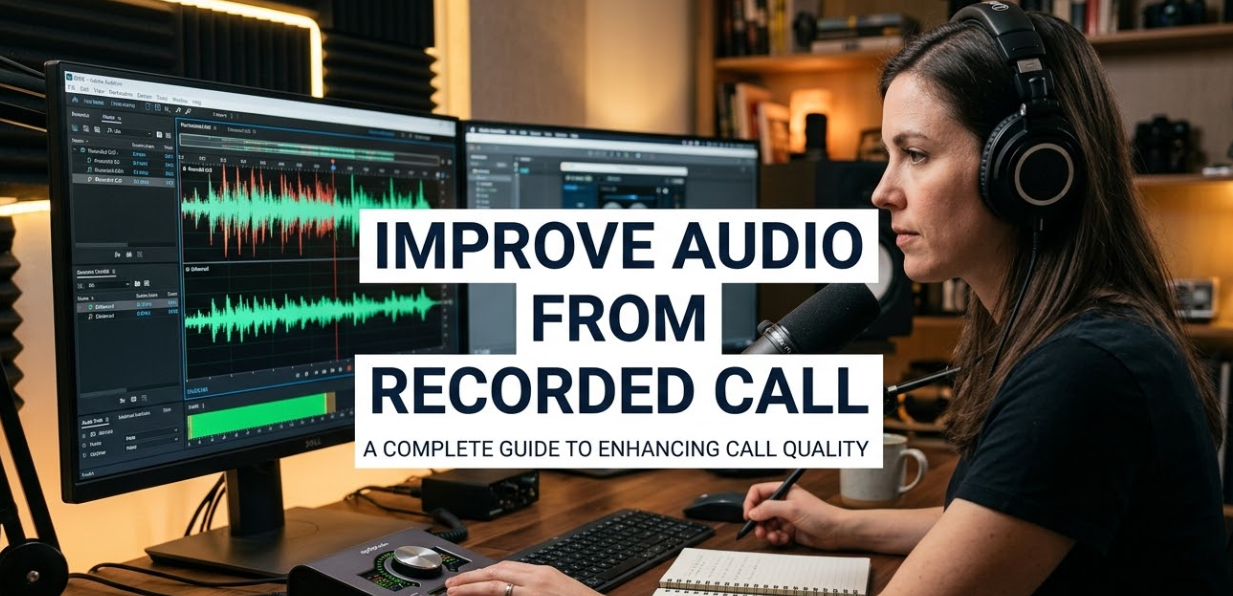
Have you ever replayed a recorded call only to hear muffled voices, annoying background noise, or crackling static? You are not alone. Poor audio quality is one of the most frustrating problems for anyone who records phone calls, video meetings, or podcast interviews. The good news is that there are proven, practical ways to improve …