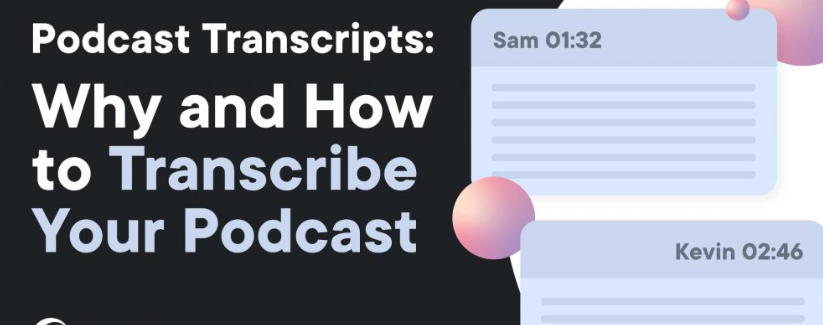
Podcasting has exploded in popularity over the past few years. Millions of people listen to podcasts while driving, working out, cooking, or relaxing at home. But here’s the big question: Are you making the most of your podcast content?
If you are only publishing audio, you are missing a huge opportunity.
When you extract speech for podcast transcripts, you turn spoken words into written text. This simple step can:
-
Boost your SEO rankings
-
Increase website traffic
-
Improve accessibility
-
Repurpose content easily
-
Help listeners find key moments faster
In this detailed guide, you will learn everything about extracting speech for podcast transcripts. We will cover tools, methods, best practices, SEO tips, and common mistakes — all in clear and simple language.
Let’s get started.
Why Podcast Transcripts Matter More Than Ever
A podcast transcript is the written version of your episode. It includes everything said during the show — conversations, interviews, and even key sound cues.
Here’s Why Transcripts Are Important:
-
Search Engines Can’t Listen to Audio
Search engines like Google cannot directly understand spoken audio. They rely on text. When you publish a transcript, your podcast becomes searchable. -
Improved Accessibility
Transcripts help:-
Deaf or hard-of-hearing audiences
-
Non-native speakers
-
People who prefer reading over listening
-
-
Higher Engagement
Many users skim transcripts before deciding to listen to the full episode. -
Content Repurposing
A single transcript can become:-
Blog posts
-
Social media captions
-
Email newsletters
-
eBooks
-
Video subtitles
-
What Does “Extract Speech” Mean?
Extracting speech means converting spoken audio into written text using a process called speech-to-text or audio transcription.
There are three main ways to do it:
| Method | Accuracy | Cost | Speed | Best For |
|---|---|---|---|---|
| Manual Transcription | Very High | High (time cost) | Slow | Interviews & technical content |
| Automated Tools | Medium to High | Low | Very Fast | Regular podcast episodes |
| Hybrid (AI + Human Editing) | Very High | Medium | Moderate | Professional podcasts |
Manual vs Automated Podcast Transcription
Manual Transcription
This involves listening to the podcast and typing every word.
Pros:
-
High accuracy
-
Captures tone and emotion
-
Better formatting control
Cons:
-
Time-consuming
-
Expensive if outsourced
Automated Speech Extraction Tools
These tools use AI and machine learning to convert audio into text.
Popular tools include:
-
Otter.ai
-
Descript
-
Rev
-
Trint
Pros:
-
Fast results
-
Affordable
-
Easy to use
Cons:
-
May struggle with accents
-
Errors in technical words
-
Needs editing
Step-by-Step Process to Extract Speech for Podcast Transcripts
Step 1: Prepare Your Audio File
Before uploading your podcast:
-
Remove background noise
-
Ensure clear audio quality
-
Use consistent microphone levels
-
Export in MP3 or WAV format
Better audio means better transcription accuracy.
Step 2: Choose a Speech-to-Text Tool
Select a tool based on:
-
Budget
-
Accuracy needs
-
File length
-
Language support
For example:
| Podcast Type | Recommended Tool |
|---|---|
| Solo Show | Otter.ai |
| Interview Podcast | Rev |
| Video Podcast | Descript |
| Multi-Speaker Panel | Trint |
Step 3: Upload and Convert
Upload your audio file. Most tools automatically:
-
Detect speakers
-
Add timestamps
-
Break text into paragraphs
Processing usually takes a few minutes.
Step 4: Edit and Clean the Transcript
This is the most important step.
Remove:
-
“Um” and “Uh” (unless stylistic)
-
Repetitions
-
Long pauses
-
Filler words
Correct:
-
Names
-
Technical terms
-
Brand mentions
Step 5: Format for SEO and Readability
Break long text into:
-
Headings (H2, H3)
-
Short paragraphs
-
Bullet points
-
Quotes
Add:
-
Internal links
-
Keywords
-
Summary sections
How Podcast Transcripts Improve SEO Rankings
Search engine optimization (SEO) helps your content rank higher on search engines like Google.
Here’s how transcripts help:
1. Keyword Visibility
When your guest says important keywords, they become searchable text.
For example:
If your podcast discusses “email marketing tips for beginners,” that phrase in your transcript can rank on search results.
2. Featured Snippets
Well-formatted transcripts increase your chances of appearing in featured snippets.
3. Longer Page Time
Users spend more time reading transcripts. This reduces bounce rate.
Best Formatting Style for Podcast Transcripts
Here’s a simple structure that works well:
Episode Title
Short Episode Summary (100–150 words)
Key Takeaways (Bullet Points)
Full Transcript
Host:
Welcome to today’s episode…
Guest:
Thank you for having me…
Resources Mentioned
-
Website links
-
Book titles
-
Tools
Clean vs Verbatim Transcripts: Which One Should You Choose?
| Type | Description | Best Use Case |
|---|---|---|
| Verbatim | Includes every word | Legal, research |
| Clean Read | Removes filler words | Blog SEO & website |
| Edited Transcript | Structured like article | Content marketing |
For SEO purposes, clean or edited transcripts work best.
How to Handle Multiple Speakers
If your podcast includes interviews:
-
Label speakers clearly
-
Use bold names
-
Keep dialogue spaced
Example:
Sarah: What inspired you to start?
Mark: I noticed a gap in the market…
This improves readability and user experience.
Adding Timestamps: Yes or No?
Timestamps help listeners jump to specific sections.
Example:
-
00:02:15 – Introduction
-
00:10:30 – Main Topic
-
00:25:45 – Audience Q&A
They are especially useful for long episodes.
Turn Podcast Transcripts into Multiple Content Assets
Once speech is extracted, you can create:
-
Blog posts
-
Instagram captions
-
LinkedIn posts
-
Twitter threads
-
Email newsletters
-
YouTube subtitles
One 30-minute episode can produce 10+ content pieces.
Common Mistakes When Extracting Speech for Podcast Transcripts
Avoid these errors:
-
❌ Publishing raw, unedited transcripts
-
❌ Ignoring formatting
-
❌ Forgetting SEO keywords
-
❌ Not checking spelling
-
❌ Skipping speaker labels
Cost Comparison: Manual vs Automated vs Hybrid
| Method | Average Cost per Hour | Editing Required | SEO Ready? |
|---|---|---|---|
| Manual Typist | $50–$150 | Minimal | Yes |
| AI Tool | $10–$30 | Moderate | After editing |
| Hybrid Service | $30–$80 | Low | Yes |
Accessibility and Legal Benefits
In some regions, businesses must provide accessible content.
For example, platforms owned by Apple and Spotify increasingly encourage accessible podcast content.
Transcripts help:
-
Meet accessibility guidelines
-
Improve brand reputation
-
Expand global reach
Podcast Platforms That Support Transcripts
Many hosting platforms allow transcript uploads:
-
Spotify
-
Apple
-
YouTube
-
Buzzsprout
Uploading transcripts directly improves discoverability.
Advanced Tips to Improve Speech Extraction Accuracy
1. Use a Good Microphone
Poor audio leads to poor transcripts.
2. Reduce Background Noise
Avoid:
-
Traffic sounds
-
Echo
-
Fan noise
3. Speak Clearly
Encourage guests to:
-
Avoid talking over each other
-
Speak at a steady pace
4. Use Separate Tracks for Each Speaker
If possible, record speakers separately. This improves AI accuracy.
Visual Workflow: Podcast Transcript Creation
Here’s a simplified process flow:
Audio Recording
↓
Noise Cleaning
↓
Upload to Speech Tool
↓
Auto Transcription
↓
Manual Editing
↓
SEO Formatting
↓
Publish on Website
How Long Should a Podcast Transcript Be?
A 30-minute podcast typically produces:
-
4,000–6,000 words
A 60-minute podcast:
-
8,000–10,000 words
Long-form transcripts are great for SEO because they increase keyword variety.
Should You Post Full Transcripts or Partial Ones?
There are two options:
Full Transcript
Best for:
-
SEO
-
Accessibility
-
Authority building
Partial Transcript + CTA
Best for:
-
Membership sites
-
Premium content
Final Thoughts: Turn Your Voice Into a Searchable Asset
Extracting speech for podcast transcripts is no longer optional — it’s essential.
When you convert your podcast audio into text, you:
-
Increase visibility
-
Improve accessibility
-
Boost SEO rankings
-
Multiply your content output
-
Serve a wider audience
Whether you use automated tools, manual typing, or hybrid services, the goal is the same: make your spoken words searchable, readable, and reusable.
Your podcast already contains powerful insights. Don’t let them stay hidden inside audio files.
Turn your voice into text.
Turn your text into traffic.
Turn your traffic into growth.
Start extracting speech for podcast transcripts today — and unlock the full potential of your content strategy.